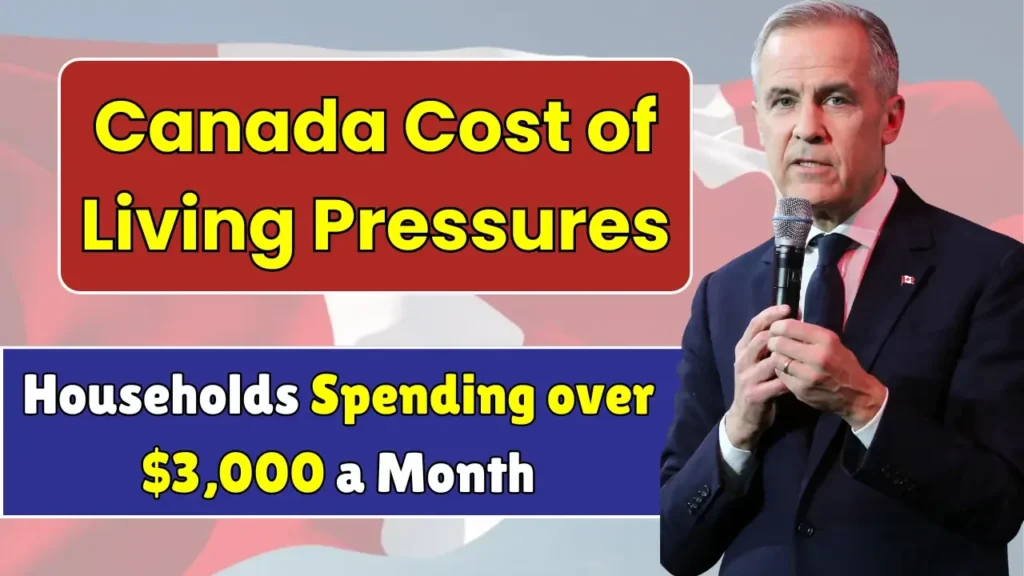
Canada’s cost of living continues to rise in 2026, placing sustained pressure on households whose monthly expenses now exceed $3,000. Across major cities and growing urban regions, higher housing costs, food inflation, energy bills, and transportation expenses are reshaping how Canadians manage their finances. What was once considered a comfortable middle-income lifestyle is increasingly stretched, especially for renters, young families, and single professionals.
Economic data shows that essential expenses now consume a much larger share of household income than in previous years. In many urban areas, basic living costs account for 60% to 70% of monthly earnings, leaving limited room for savings or discretionary spending. This shift is particularly visible in large metropolitan regions where wage growth has not kept pace with price increases.
Why Monthly Spending Crosses the $3,000 Mark
Households spending more than $3,000 per month typically include single adults renting one-bedroom apartments, couples without children, and families with modest housing needs. Rent alone is often the largest contributor, followed by groceries, utilities, transportation, and communication services.
For a single person living in a major city, average monthly expenses can reach approximately $3,300 when rent is included. Families of four regularly exceed $8,000 per month, driven by larger housing requirements, higher food costs, childcare fees, and transportation needs. As fixed expenses grow, households have fewer options to reduce spending without affecting quality of life.
Housing Costs Remain the Primary Pressure Point
Housing continues to be the single biggest factor pushing monthly expenses higher. In cities such as Toronto and Vancouver, average rents for one-bedroom apartments in central areas range between $2,200 and $3,000 per month. Even in more affordable cities, rents have increased steadily, narrowing the gap between regions.
For homeowners, rising mortgage payments have replaced rent as the main concern. Higher interest rates mean larger monthly payments, especially for those who renewed mortgages recently. In many households, shelter costs alone now absorb more than 40% of total income, a level widely considered financially stressful.
Food Prices Continue to Erode Household Budgets
Food inflation remains a persistent challenge in 2026. Monthly grocery spending averages around $600 for a single adult and can rise to $1,200 or more for families. Higher prices for staples such as dairy, bread, fresh produce, and meat are making routine grocery trips noticeably more expensive.
Many households spending over $3,000 per month report cutting back on non-essential food items, switching to store brands, or shopping at discount grocers. Dining out has become less frequent, as restaurant meals now represent a significant discretionary expense rather than a casual convenience.
Utilities and Energy Bills Add Ongoing Strain
Utility costs are another growing contributor to high monthly spending. Electricity, heating, water, and waste services typically total between $200 and $350 per month, depending on region and season. Winter heating costs remain especially high in colder provinces, while summer cooling expenses are rising in urban areas.
In addition to basic utilities, internet and mobile phone services are now essential expenses for work, education, and daily communication. Combined digital service costs often exceed $150 per month, adding to the fixed financial burden households must carry.
Transportation Costs Vary Widely by Location
Transportation expenses differ significantly depending on access to public transit and proximity to employment centers. Monthly transit passes in major cities typically cost around $150, while car ownership introduces additional expenses such as fuel, insurance, maintenance, and parking.
Households living in suburban or car-dependent areas often spend a larger share of income on transportation, particularly as fuel prices fluctuate. For many families, commuting costs are now a critical factor when choosing where to live.
Debt and Healthcare Costs Reduce Financial Flexibility
Debt servicing is another common feature among households spending over $3,000 monthly. Credit cards, student loans, and personal loans can collectively add several hundred dollars to monthly obligations. High interest rates make it harder to pay down balances, extending financial pressure over longer periods.
Out-of-pocket healthcare expenses also contribute to rising costs. Dental care, prescription medications, and vision services not fully covered by insurance plans can add unexpected strain, particularly for families and older adults.
Regional Differences Shape the Cost of Living Experience
While high costs are most visible in large cities, regional variations remain significant. Urban centers in Ontario and British Columbia tend to have the highest overall expenses, while some Prairie and Atlantic regions offer relatively lower housing costs. However, savings in rent are sometimes offset by higher transportation or food prices, especially in remote areas.
These differences mean that household spending patterns vary widely across the country, even as the $3,000 monthly threshold becomes more common nationwide.
How Households Are Adapting to Higher Living Costs
To cope with rising expenses, many Canadians are adopting stricter budgeting practices. Tracking monthly spending, prioritizing essential costs, and reducing discretionary purchases have become standard strategies. Some households are seeking additional income through part-time work or freelance opportunities, while others focus on maximizing tax benefits and government credits.
Long-term financial planning, including emergency savings and retirement contributions, remains challenging but increasingly important as cost pressures persist.
Outlook for Canada’s Cost of Living in 2026
Looking ahead, inflation is expected to moderate gradually, but housing supply constraints and population growth suggest that living costs will remain elevated. For households already spending more than $3,000 per month, careful financial management will continue to be essential.
As economic conditions evolve, the experience of managing everyday expenses in Canada is becoming a defining issue for middle-income households, shaping decisions about where to live, how to work, and how to plan for the future.

My name is Ahmad Raza, and I am the founder and author of Kirakos. I created this website to share useful information about mobile technology and the latest news in a simple and honest way. I have a strong interest in mobile phones, apps, software updates, and digital trends, and I enjoy researching and writing about topics that are relevant to everyday users.