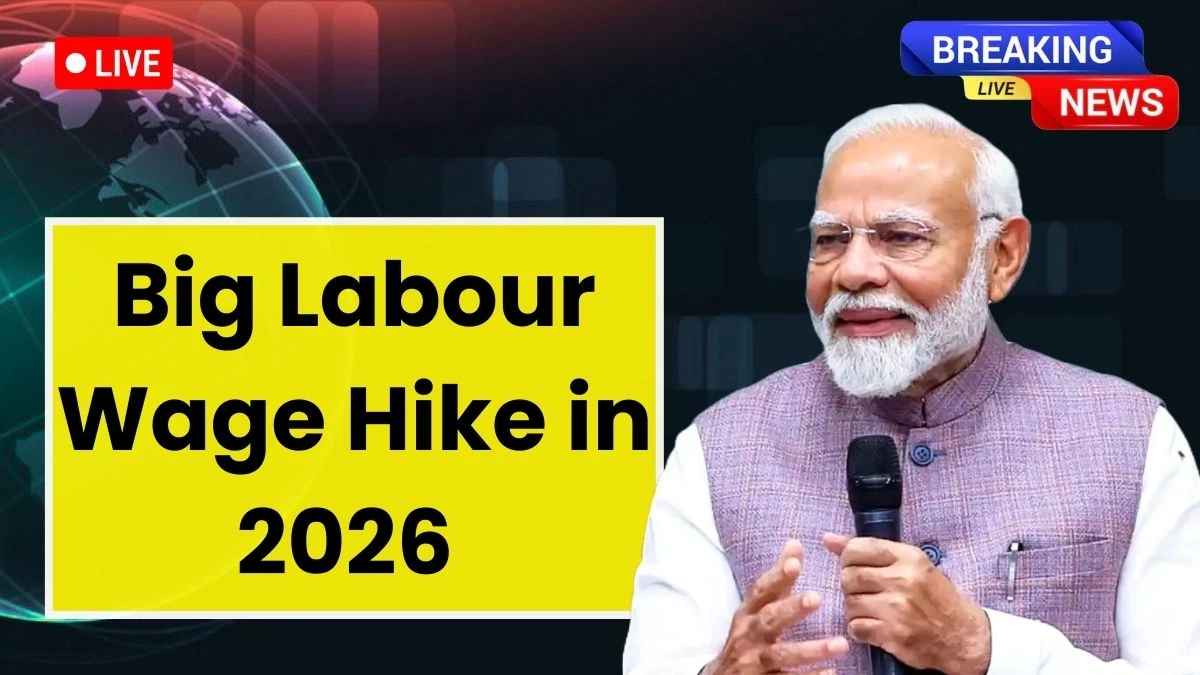
Minimum Wages Hike 2026 has emerged as a significant development for India’s workforce, especially for daily wage earners, contract workers, and those employed in the unorganized sector. After extended consultations between state labour departments, governments, and industry representatives, several states have announced revised minimum wage rates for 2026. This update comes at a time when household expenses have steadily increased, putting pressure on low-income families across urban and rural areas.
Why the Minimum Wage Revision Was Needed in 2026
The minimum wage system in India is designed to protect workers from exploitation and ensure a basic standard of living. However, inflation has moved faster than wage growth in many sectors. Prices of essential items such as vegetables, cooking oil, transport services, and school-related expenses have increased noticeably in most states.
For workers earning a fixed daily or monthly wage, even a small rise in expenses can disturb the entire household budget. What was once sufficient for rent and groceries often falls short today. Labour experts have pointed out that the gap between earnings and actual living costs had widened, making wage revision unavoidable. The 2026 hike attempts to restore some purchasing power while also keeping the impact on businesses manageable.
State-Wise Minimum Wage Changes Reflect Local Conditions
Minimum wages in India are largely decided at the state level. This allows governments to adjust pay rates based on local economic conditions, cost of living, and employment patterns. As part of the Minimum Wages Hike 2026, several major states have announced noticeable increases, particularly in urban regions where expenses are higher.
States such as Delhi, Maharashtra, Karnataka, Tamil Nadu, and Kerala have revised wages for multiple worker categories. In many cases, urban minimum wages have seen higher increments compared to rural areas. At the same time, states with predominantly rural economies have also updated wages, though often in a more gradual manner. Officials believe this approach helps balance worker welfare with regional economic realities.
Clear Wage Structure for Skilled, Semi-Skilled, and Unskilled Workers
The 2026 revision continues the practice of dividing workers into unskilled, semi-skilled, and skilled categories. Unskilled workers typically include helpers, loaders, cleaners, and basic labourers. Semi-skilled workers may operate simple machinery or assist in technical roles, while skilled workers include electricians, drivers, welders, mechanics, and machine operators.
This structured approach is intended to ensure fair compensation based on skill level and responsibility. Skilled workers generally receive higher wages, reflecting their training and experience. Many states are also aligning their skill development and vocational training programs with the revised wage framework. This allows workers who improve their skills to see a direct financial benefit, encouraging upskilling and better productivity.
Impact on Daily Wage Earners and Household Budgets
For daily wage earners, the effect of a wage hike can be meaningful even if the increase appears small on paper. An additional ₹30 to ₹50 per day can translate into around ₹900 to ₹1,200 extra per month, depending on workdays. For families managing tight budgets, this extra income can help cover school expenses, medicines, or improved nutrition.
In many labour-intensive sectors, workers have expressed cautious optimism. While the increase may not solve all financial challenges, it provides some relief against rising prices and reduces day-to-day stress related to basic needs.
Concerns and Adjustments for Small Businesses
While workers welcome higher wages, small contractors, micro-enterprises, and service providers are also assessing the impact. Increased labour costs can raise project expenses and operating budgets. Some small employers worry about maintaining profitability, especially in sectors with thin margins.
Industry groups have urged governments to provide clear implementation guidelines and reasonable adjustment periods. Many experts, however, note that better-paid workers are often more productive, reliable, and motivated. Over time, this can help businesses through improved efficiency and reduced worker turnover.
Importance of Awareness and Wage Enforcement
Announcing revised wage rates is only effective if workers actually receive them. A major challenge remains awareness and enforcement. Many workers in the unorganised sector are unaware of official minimum wage notifications, making them vulnerable to underpayment.
State labour departments have stated that they are using official websites, public notices, and local offices to spread information about the 2026 wage updates. Workers who are paid below the legal minimum have the right to approach labour authorities. However, fear of job loss often prevents complaints. Experts suggest that stronger inspections, simplified grievance systems, and regular awareness drives are essential to ensure real benefits on the ground.
What the Minimum Wages Hike 2026 Means for the Future
The Minimum Wages Hike 2026 has also revived broader discussions on wage policy reforms. There is growing support for linking minimum wages more closely with inflation, allowing automatic or regular adjustments. Some labour groups are also advocating for a stronger national floor wage to reduce large differences between states.
While future decisions will depend on economic conditions and policy priorities, the 2026 revision marks a renewed focus on fair pay and worker protection. For millions of workers, it represents a step toward more stable and dignified earnings in a challenging economic environment.
Disclaimer: This article is for general informational purposes only and is based on publicly discussed updates and state-level announcements related to the Minimum Wages Hike 2026. Actual wage rates, worker categories, and implementation timelines may vary by state and industry. Workers and employers should always refer to official notifications from their respective state labour departments for accurate and up-to-date information.